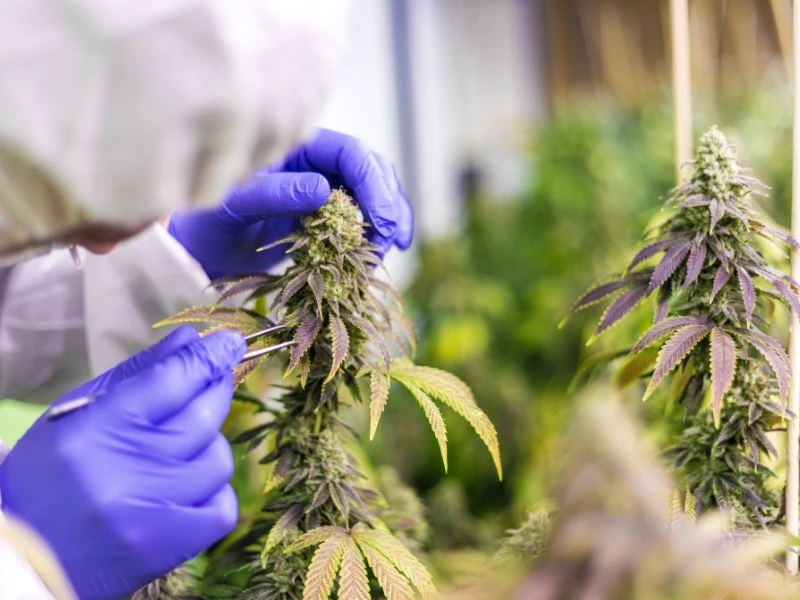
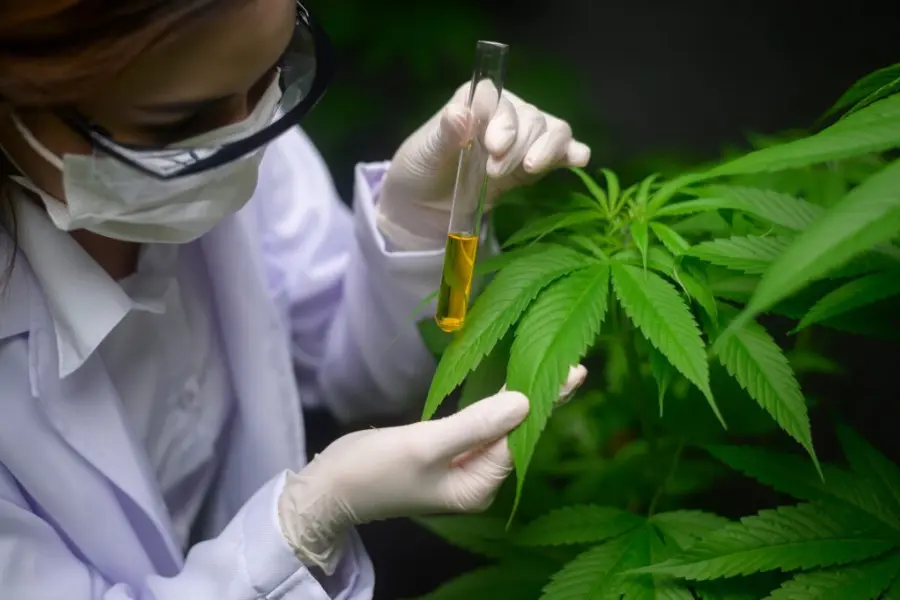
The cannabis cultivation sector has undergone a significant evolution driven by scientific advancements, current regulations, and a growing demand for high-quality, sustainably produced products. In this scenario, organic cultivation stands out as a responsible alternative that prioritizes biodiversity, soil health, and final product safety, while mitigating environmental impact.
Principles of Organic Cultivation Aligned with the foundations of sustainable agriculture, the organic approach prohibits the use of synthetic chemical fertilizers, aggressive pesticides, and artificial growth regulators. Instead, natural resources such as compost, biofertilizers, plant extracts, and beneficial microorganisms are utilized. This methodology fosters balanced plant development, enhancing its natural properties and the complexity of its aromatic profiles.
Soil Management and Conservation Preserving soil structure and biological activity is a fundamental pillar. Healthy soil harbors a diverse microbiological community that decomposes organic matter and releases nutrients assimilable by the roots. To maintain this natural fertility, producers rely on the periodic incorporation of mature compost, vermicompost (earthworm humus), or green manure, which improves water retention and strengthens the root system.
Likewise, the technique of mulching, which involves covering the surface with straw, dry leaves, or crop residues, is key to retaining moisture, suppressing weed growth, and protecting microorganisms from thermal fluctuations. Over time, this material degrades and enriches the substrate.
Water and Phytosanitary Efficiency Water management demands efficient systems, such as drip irrigation, which guarantee uniform distribution, prevent losses from evaporation or runoff, and prevent diseases associated with excess moisture in the root zone.
In the phytosanitary field, ecological balance is prioritized over total eradication. Biological control is introduced using beneficial insects, monitoring tools like colored sticky traps, and the application of botanical extracts (neem oil or garlic and chili preparations). This management drastically reduces the risk of chemical residues in the final harvest product.
Planning, Traceability, and Post-Harvest Good agricultural practices require a rigorous selection of varieties adapted to the local climate to maximize yield and optimize natural resistance to environmental stress. Additionally, strict traceability is enforced through detailed records of fertilization, irrigation, pest control, and harvest cycles, facilitating continuous improvement and access to regulated markets.
Finally, post-harvest processes are decisive in safeguarding quality. Harvesting must be carried out at the optimal point of maturity, followed by drying and curing under strict temperature and humidity parameters to prevent mold proliferation and preserve the organoleptic characteristics of cannabis intact.
In conclusion, organic and sustainable practices are currently emerging as the most promising standard of value for producers, regulators, and consumers globally.
Author: Fernando Luiz Barcellos de Andrade